How to Choose the Right Grease for Your Automotive Needs
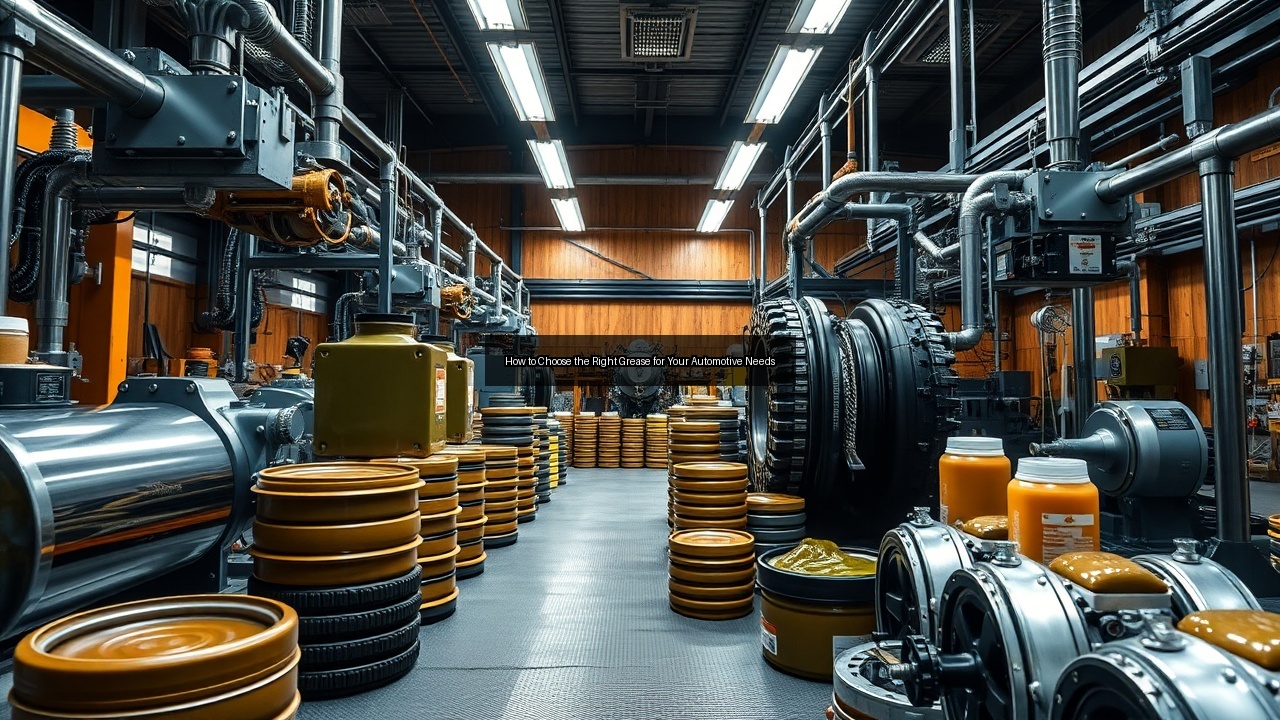
Understanding Greases and Their Importance in Automotive Applications
The Role of Lubrication in Machinery Performance
Lubrication keeps machinery running smoothly by reducing wear between moving parts. In automotive settings, greases deliver consistent protection where oil alone might drain away or evaporate under heat. Proper lubrication prevents metal-to-metal contact in engines, transmissions, and suspension systems, extending component life and maintaining efficiency. Mechanics rely on greases to handle shock loads during acceleration or braking, while operators in mining or construction value the same reliability in heavy equipment. Without effective lubrication, friction generates excess heat that warps bearings and damages seals. Regular application of the right greases ensures machinery performs at peak levels across thousands of miles or hours of operation.
Why Choose Greases Over Other Lubricants?
Greases stay in place better than liquid lubricants, clinging to surfaces even under vibration or high speeds. This staying power makes them ideal for automotive components that operate intermittently or in exposed locations. Unlike motor oil that requires constant circulation, greases provide long-term protection without frequent reapplication. They also resist fling-off in wheel hubs and drive shafts, cutting maintenance time. Many users switch to greases for their ability to seal out contaminants while delivering additives that fight corrosion. In agriculture and manufacturing environments, this durability translates to fewer breakdowns and lower downtime costs. Greases combine base oil with thickeners to create a semi-solid lubricant that outperforms standard oils in demanding spots.
Types of Greases and Their Composition
Mineral vs. Synthetic Greases: What’s the Difference?
Mineral greases use refined petroleum base oils that deliver solid performance at moderate temperatures and lower cost. Synthetic greases, built from chemically engineered base oils, handle extreme heat and cold more effectively while resisting oxidation longer. Automotive technicians often select synthetic options for high-performance vehicles or those operating in harsh climates. Mineral versions suit everyday cars where budget matters and conditions stay predictable. Both types benefit from additives that enhance water resistance and load-carrying ability. The choice between mineral and synthetic greases depends on operating temperature range, expected service intervals, and exposure to chemicals or moisture. Synthetic greases typically last longer between changes, reducing overall consumption in fleet applications.
Understanding Base Oils and Thickeners in Greases
Base oils form the primary lubricating film in greases, carrying additives that protect against friction and wear. Thickeners give greases their structure, turning the liquid oil into a stable product that clings to surfaces. Common base oils include mineral stocks or synthetic fluids like polyalphaolefins. Thickeners such as lithium, calcium, or complex soaps determine dropping point, water resistance, and mechanical stability. The right balance of base oil viscosity and thickener type ensures greases perform under pressure without bleeding or hardening prematurely. Manufacturers blend these components to meet specific automotive needs, from high-speed wheel bearings to slow-moving chassis points. Understanding this composition helps users match greases to the demands of their vehicles.
Exploring Common Thickener Types: Lithium, Calcium, and Sulfonate
Lithium thickeners dominate the market because they offer good mechanical stability and compatibility with many seals. Calcium thickeners excel in wet environments due to superior water resistance, making them popular for marine or off-road automotive use. Sulfonate thickeners provide excellent extreme-pressure performance and corrosion protection, suiting heavy-duty trucks and equipment in mining or construction. Each thickener type influences how greases respond to temperature, load, and contamination. Lithium complex greases handle higher temperatures than standard lithium versions, while calcium sulfonate products resist washout better than most alternatives. Selecting the correct thickener prevents premature failure in bearings and axles. Users should match thickener properties to the specific automotive conditions they face.
Key Factors to Consider When Choosing Grease
Evaluating Viscosity and NLGI Grades
Viscosity determines how easily greases flow at operating temperatures, while NLGI grades rate consistency from fluid to block-like. NLGI grade 2 remains the most common choice for automotive bearings because it balances pumpability and staying power. Higher viscosity base oils suit slow-moving, heavily loaded components like axle grease applications, whereas lower viscosity options work better in high-speed electric motors. Technicians check manufacturer recommendations to avoid over-greasing or using a product too stiff for cold starts. Matching NLGI grades and viscosity to speed, load, and temperature prevents channeling or excessive drag. Proper evaluation ensures greases deliver reliable lubrication without causing energy losses in the automotive system.
Assessing Water Resistance and Environmental Factors
Water resistance protects greases from washout in rainy conditions or during pressure washing. Calcium and sulfonate thickeners provide strong defense here, while some lithium products need additional additives. Environmental factors such as dust, road salt, and temperature swings further influence grease selection. In agriculture or construction settings, greases must resist both moisture and abrasive particles that accelerate wear. Users evaluate these conditions before choosing products with enhanced sealing properties. Proper assessment reduces corrosion on bearings and extends service life in demanding automotive environments. Greases formulated for high water resistance maintain their protective film even after repeated exposure to wet conditions.
Understanding Pressure and Friction Requirements in Automotive Applications
Pressure and friction demands vary widely across automotive components, from steering linkages to wheel hubs. Greases with extreme-pressure additives protect surfaces under heavy loads that would otherwise cause scoring or welding. Friction modifiers reduce energy losses and heat generation during high-speed operation. Engineers test products under simulated conditions to ensure they meet these requirements without softening or breaking down. In high-performance cars, the right greases balance protection with low drag for better efficiency. Matching pressure and friction needs to specific applications prevents premature wear on axles and bearings. This targeted approach improves reliability across the entire vehicle.
Applications of Greases in the Automotive Industry
Choosing the Right Grease for Bearings and Axles
Bearings and axles require greases that withstand continuous rotation and shock loads. Lithium complex products often serve as the default choice for wheel bearings due to their thermal stability and shear resistance. Axle grease applications benefit from higher NLGI grades that resist centrifugal forces at highway speeds. Technicians clean old lubricant thoroughly before repacking to avoid mixing incompatible thickeners. Proper selection prevents overheating and premature failure in these critical components. Many manufacturers specify synthetic greases for extended service intervals on modern vehicles. Matching the product to bearing speed and axle load ensures consistent performance and reduces repair frequency.
Grease Selection for Different Automotive Environments
Automotive environments range from dusty farm roads to coastal highways with constant salt spray. Greases for these conditions incorporate specific thickeners and additives that resist contamination and corrosion. Off-road vehicles need products with strong sealing properties, while fleet cars benefit from long-life synthetic options. Temperature extremes in northern winters or desert summers dictate base oil choice. Users in mining or agriculture often standardize on calcium sulfonate greases for their versatility across equipment. Careful selection based on environment keeps vehicles operating reliably with minimal downtime. This approach optimizes lubrication across diverse operating conditions.
Best Practices for Grease Application and Maintenance

How to Properly Apply and Store Greases
Proper application starts with cleaning fittings and using the correct grease gun pressure to avoid damaging seals. Technicians apply greases in small amounts at regular intervals rather than flooding components. Storage requires cool, dry locations away from direct sunlight and contaminants. Containers should remain sealed until use to prevent oxidation or moisture absorption. Labeling products clearly prevents mixing incompatible greases that can cause hardening or softening. Following manufacturer guidelines for quantity and frequency ensures optimal lubrication without waste. Good storage and application habits maximize the performance of greases in automotive service.
Signs of Grease Deterioration and When to Replace
Grease deterioration shows through hardening, bleeding, or discoloration that signals oxidation or contamination. Unusual noise from bearings or increased operating temperatures often indicates the lubricant has lost effectiveness. Scheduled inspections help catch these changes before failure occurs. Replacement intervals depend on operating conditions, with severe environments requiring more frequent changes. Users should purge old greases completely when switching products to maintain compatibility. Monitoring these signs keeps automotive systems protected and prevents costly breakdowns. Timely replacement maintains the integrity of lubrication throughout the vehicle’s service life.