The Future of Air Conditioning Featuring Dedicated Outdoor Air Systems
Understanding Dedicated Outdoor Air Systems (DOAS)
Overview of Dedicated Outdoor Air Systems
A dedicated outdoor air system (DOAS) specializes in providing fresh outdoor air to building interiors, setting it apart from traditional air conditioning systems that typically recirculate indoor air. This technology addresses the increasing need for improved indoor air quality (IAQ) in various environments. By introducing conditioned outdoor air directly into spaces, a DOAS effectively mitigates issues related to stale air, pollutants, and moisture. As more companies recognize the connection between air quality and occupant health, DOAS has gained prominence, particularly in commercial buildings and industrial settings. This system stands at the forefront of a revolution in air systems, ensuring that people breathe cleaner, healthier air.
Key Components of a DOAS
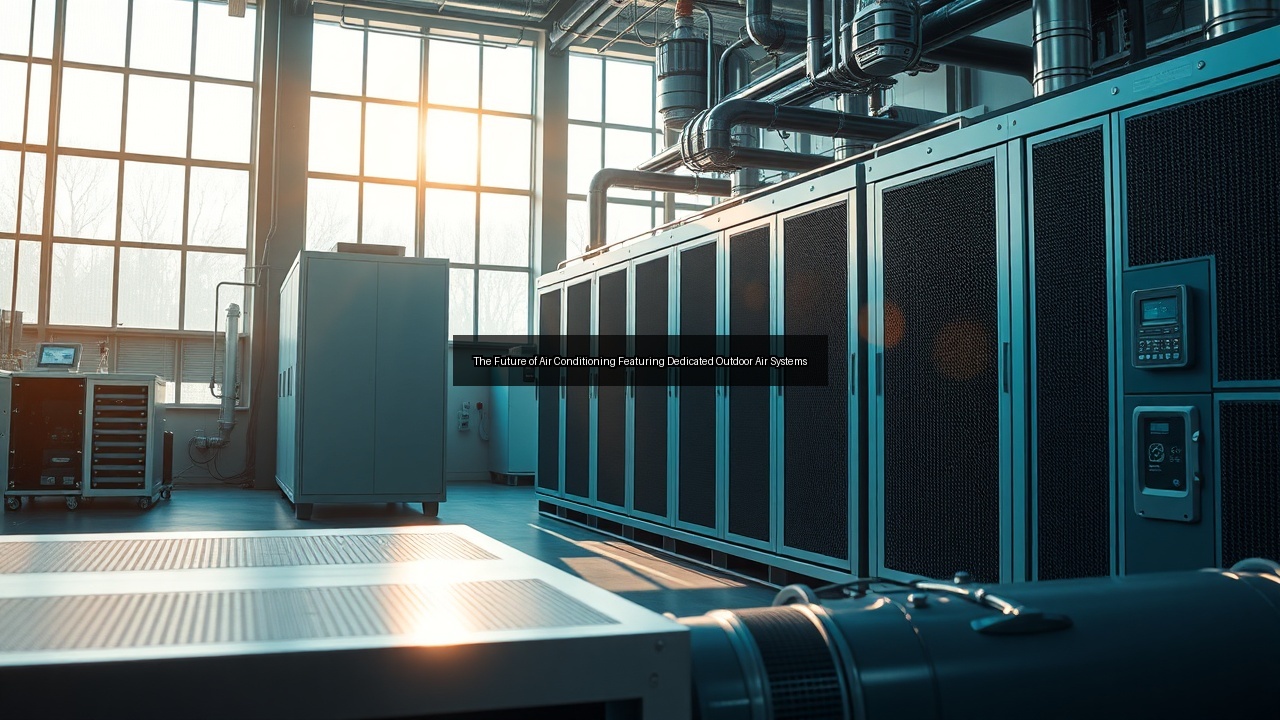
A dedicated outdoor air system comprises several key components that work in concert to deliver optimal performance. The primary elements include air handling units, energy recovery ventilators, and controls for precise calibration. Air handling units process incoming outdoor air, filtering and conditioning it to a comfortable temperature and humidity level. Energy recovery ventilators, on the other hand, enhance energy efficiency by transferring heat between incoming fresh air and outgoing stale air, minimizing energy loss. Advanced control systems allow for real-time monitoring and adjustments, ensuring that the DOAS operates at peak performance. This intricate interplay of components establishes a robust framework for managing air quality effectively while reducing energy consumption.
Advantages Over Traditional Air Conditioning Systems
The advantages of dedicated outdoor air systems over traditional air conditioning systems are significant and multifaceted. Firstly, DOAS directly improves indoor air quality by supplying a continuous flow of fresh, filtered outdoor air, reducing the concentration of indoor pollutants such as carbon dioxide and ozone. Secondly, DOAS offers superior energy efficiency. By conditioning outdoor air before it enters the space, the system can minimize the load on heating and cooling equipment, leading to reduced energy costs. Additionally, the ability to integrate with existing air systems provides flexibility in implementation, making DOAS an attractive choice for various applications. Overall, the combination of enhanced air quality and energy efficiency positions DOAS as a forward-thinking solution in modern HVAC design.
Applications of Dedicated Outdoor Air Systems
Commercial Buildings and Offices
Dedicated outdoor air systems find extensive application in commercial buildings and offices, where air quality significantly impacts employee productivity and health. Businesses increasingly recognize that a comfortable work environment, characterized by fresh air, directly correlates with employee satisfaction and efficiency. DOAS systems can be tailored to meet the specific needs of office layouts, ensuring optimal air distribution throughout the space. Furthermore, these systems can help commercial spaces comply with local building codes and standards regarding air quality. By integrating DOAS, companies create a healthier working atmosphere, ultimately leading to improved employee performance and lower absenteeism rates.
Industrial Settings: Oil and Gas
In industrial settings, particularly within the oil and gas sector, the need for effective ventilation and air quality management cannot be overstated. Facilities in this industry often deal with hazardous substances and processes that can compromise air quality. A dedicated outdoor air system plays a crucial role in maintaining a safe working environment by providing fresh air while mitigating exposure to harmful gases and vapors. The ability to calibrate DOAS to specific requirements ensures that air quality remains within safe limits, protecting workers' health. Additionally, the energy efficiency of DOAS systems aligns with the industry's focus on reducing operational costs while adhering to stringent environmental regulations.
Data Centers and Server Rooms
Data centers and server rooms present unique challenges due to the high heat generated by servers and other equipment. Effective cooling is essential to prevent overheating and ensure optimal performance. Implementing a dedicated outdoor air system in these settings enhances air circulation and cooling efficiency. By introducing fresh outdoor air, DOAS helps maintain optimal temperature and humidity levels, protecting sensitive equipment from damage. Moreover, the integration of energy recovery ventilators allows data centers to minimize energy consumption while maintaining the necessary cooling. With the increasing reliance on technology and data, the role of DOAS in safeguarding these critical environments becomes ever more vital.
Engineering Considerations for DOAS
Calibration for Optimal Performance
Proper calibration is essential for the optimal performance of dedicated outdoor air systems. Engineers must carefully assess the specific needs of each installation to ensure that the DOAS operates efficiently. This involves determining the required airflow rates, temperature settings, and humidity levels. Advanced control systems enable real-time adjustments based on occupancy patterns and environmental conditions, further enhancing performance. Regular maintenance and calibration checks are necessary to keep the system running smoothly and efficiently over time. By prioritizing calibration, companies can maximize the benefits of their DOAS installations, achieving consistent air quality and energy efficiency.
Reliability and Cost-Effectiveness
Reliability stands as a cornerstone of any effective air system, and dedicated outdoor air systems are no exception. Investing in high-quality components and robust engineering practices ensures that DOAS installations perform reliably over their lifespan. While initial costs may be higher than traditional systems, the long-term energy savings and improved air quality justify the investment. Companies that opt for DOAS benefit from reduced operational costs, thanks to lower energy consumption and fewer maintenance issues. Additionally, the potential for improved employee productivity adds another layer of cost-effectiveness, making DOAS a smart choice for businesses focused on their bottom line.
Integration with Existing Air Systems
Integrating dedicated outdoor air systems with existing air systems poses both challenges and opportunities. Engineers must assess the current infrastructure to determine compatibility and identify any necessary modifications. A seamless integration allows businesses to enhance their air quality without overhauling their entire HVAC system. DOAS can complement traditional air conditioning systems, working alongside them to boost efficiency and performance. This hybrid approach maximizes the benefits of both systems, providing fresh air while maintaining comfortable indoor climates. As companies seek to modernize their facilities, the integration of DOAS offers a practical and effective solution.
Impact on Air Quality and Environmental Considerations
Benefits for Indoor Air Quality
Dedicated outdoor air systems significantly enhance indoor air quality, addressing a critical concern for modern buildings. By continuously introducing fresh air while filtering out contaminants, DOAS reduces the levels of carbon dioxide, ozone, and other pollutants. This improvement in air quality translates to numerous health benefits for occupants, including reduced instances of respiratory issues and allergies. A well-ventilated space fosters a more comfortable and productive environment, aligning with the growing emphasis on occupant well-being in building design. As awareness of the health implications of air quality increases, the role of DOAS in promoting healthier indoor environments becomes increasingly vital.
Ozone and Carbon Dioxide Management
Effective management of ozone and carbon dioxide levels is crucial for maintaining healthy indoor environments. Dedicated outdoor air systems play a proactive role in this regard by supplying fresh air that dilutes indoor concentrations of these harmful gases. The ability to monitor and adjust ventilation rates allows for precise control over air quality parameters. In environments where high levels of carbon dioxide can lead to discomfort and cognitive decline, DOAS provides a reliable solution. Through its innovative design and engineering, DOAS effectively manages these critical air quality issues, contributing to healthier, more sustainable building practices.
Future Trends in Air Quality and Outdoor Air Systems
As awareness of the importance of air quality continues to grow, the future of dedicated outdoor air systems looks promising. Emerging technologies such as smart sensors and IoT integration will further enhance the capabilities of DOAS, allowing for real-time monitoring and adjustments based on occupancy and environmental conditions. The shift towards sustainability will drive innovations in energy recovery and efficiency, making DOAS even more attractive for businesses looking to reduce their carbon footprint. As regulations surrounding indoor air quality become stricter, DOAS will play an increasingly vital role in ensuring compliance while providing a healthier environment for occupants. The future of air conditioning lies in the intelligent design and application of dedicated outdoor air systems, paving the way for cleaner, more efficient buildings.
See Also
- Enhancing Indoor Air Quality with Dedicated Outdoor Air Systems
- How Dedicated Outdoor Air Systems Improve HVAC Efficiency in Commercial Buildings
- Designing a Dedicated Outdoor Air System for Maximum Energy Efficiency
- Why Your Business Needs a Dedicated Outdoor Air System for Optimal Performance
- Innovative Applications of Dedicated Outdoor Air Systems in Modern Engineering